
Marhaba Home: A Complete Guide to Choosing the Right Wall Tiles for Modern Interiors
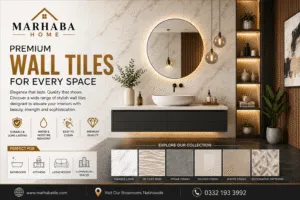 Walls play a major role in defining the appearance, atmosphere, and functionality of an interior. While furniture, lighting, flooring, and décor often receive most of the attention, the walls provide the visual foundation on which these elements come together. Choosing the right wall tiles can transform an ordinary room into a polished, contemporary, and highly functional space.
Marhaba Home brings together modern tile designs for homeowners, architects, interior designers, builders, and commercial property owners who want to combine aesthetics with practical performance. From sophisticated marble-inspired surfaces and subtle stone effects to textured patterns, matte finishes, glossy styles, and decorative designs, wall tiles offer countless possibilities for creating distinctive interiors.
The right choice, however, is not simply about selecting the most attractive pattern. Tile size, finish, color, room function, lighting, maintenance, installation, and coordination with other materials all influence the final result. This guide explores how to make a more informed decision and use wall tiles effectively throughout a property.
What Makes Wall Tiles an Important Interior Design Element?
Wall tiles serve both a decorative and practical purpose. Unlike a wall finish selected purely for appearance, a well-chosen tiled surface can contribute to the character of a room while providing a durable and relatively easy-to-maintain covering.
Because walls occupy substantial visual space, even a modest change in tile design can significantly alter the feeling of an interior.
For example, light-colored wall tiles can contribute to a brighter and more open appearance. Large-format designs can create visual continuity by reducing grout lines. Textured tiles can introduce depth, while marble-inspired patterns can add a sense of luxury.
This flexibility makes wall tiles suitable for a wide variety of design concepts rather than a single decorating style.
Marhaba Home Wall Tiles for Contemporary Spaces
Modern interiors increasingly combine simplicity with carefully selected statement elements. Instead of filling every surface with complicated patterns, designers often use neutral backgrounds and introduce texture or decorative detail in strategic locations.
Marhaba Home supports this approach with wall tile styles that can be adapted to different environments.
Depending on the desired aesthetic, homeowners can explore designs featuring:
- Marble-inspired veining
- Natural stone appearances
- Contemporary textures
- Three-dimensional patterns
- Matte surfaces
- Glossy finishes
- Neutral tones
- Geometric decorations
- Minimalist designs
- Sophisticated feature-wall patterns
The objective is not simply to cover a wall. It is to create a surface that complements the architecture and supports the overall design of the room.
Wall Tiles for Bathrooms
Bathrooms are one of the most common areas where wall tiles provide both aesthetic and practical value.
A bathroom wall is regularly exposed to humidity, splashes, cleaning products, and everyday moisture. A suitable tiled surface can therefore make the room easier to maintain while giving designers a much larger range of visual possibilities than conventional painted walls.
For a contemporary bathroom, large-format marble-inspired wall tiles can create a refined appearance. A textured tile can be used around a vanity or shower area to create a focal point, while simpler tiles can provide balance on surrounding walls.
How to Design a Tiled Bathroom
Before selecting bathroom wall tiles, consider the relationship between:
- Wall and floor tiles
- Vanity color
- Mirror design
- Sanitary fittings
- Shower hardware
- Lighting
- Ceiling color
- Storage cabinets
A bathroom looks more cohesive when these components are considered together.
For a smaller bathroom, lighter colors and visually clean patterns may help create a more spacious impression. In a larger bathroom, stronger contrasts and decorative feature walls can be introduced without overwhelming the room.
Wall Tiles for Kitchens
The kitchen is another area where wall surfaces must balance appearance with practical requirements.
Cooking can expose walls to grease, food splashes, moisture, and frequent cleaning. This makes the choice of wall finish particularly important around countertops, sinks, and cooking areas.
Wall tiles can create a visually attractive backsplash while helping establish a connection between cabinets, countertops, appliances, and flooring.
A kitchen with warm wood cabinetry, for example, may benefit from neutral stone-inspired tiles. A minimalist kitchen with plain cabinets may provide an opportunity to introduce a decorative or textured backsplash.
Choosing Kitchen Wall Tiles
Consider these factors before finalizing a kitchen tile:
Color: Choose a shade that complements the cabinets and countertop rather than competing with them.
Pattern: Detailed patterns can work well as accents, while simpler designs may be better for larger areas.
Finish: Glossy surfaces can enhance light reflection, while matte surfaces provide a softer appearance.
Cleaning: Cooking areas should use surfaces that are practical for regular cleaning.
Scale: Tile size should be appropriate for the dimensions and layout of the kitchen.
Transforming Living Rooms with Wall Tiles
Wall tiles are not limited to bathrooms and kitchens. They can also become an important design feature in living rooms.
A tiled feature wall behind a television, sofa, fireplace, or decorative console can create a strong focal point without requiring excessive décor.
Marble-inspired tiles can give a living room a luxurious appearance, while textured tiles can create a more contemporary architectural effect.
Instead of covering every wall, consider using wall tiles selectively. One statement surface can often have a greater visual impact than multiple competing patterns.
Bedroom Feature Walls with Wall Tiles
Bedrooms generally benefit from calming and comfortable visual environments. That does not mean tiled walls cannot be used.
A carefully selected wall behind the bed can create an elegant backdrop while reducing the need for additional decorative elements.
For bedrooms, consider:
- Soft neutral colors
- Subtle stone textures
- Fine marble veining
- Warm earthy tones
- Minimal geometric patterns
- Soft matte finishes
The goal should be to create visual interest without making the room feel excessively busy.
Feature Walls: A Smart Way to Use Wall Tiles
A feature wall allows homeowners to experiment with stronger designs while maintaining balance across the rest of the room.
Potential locations include:
- Behind a television
- Behind a bed
- Behind a bathroom vanity
- Behind a reception desk
- Around a fireplace
- In an entrance lobby
- Behind a dining area
- Along a staircase
- Inside a commercial showroom
A feature wall works best when it has a clear purpose. The design should naturally attract attention to an important architectural or functional element.
Marble-Inspired Wall Tiles and Luxury Interiors
Marble has traditionally been associated with elegance, sophistication, and premium architecture. Marble-inspired wall tiles provide an opportunity to bring that visual language into modern interiors through a wide range of designs.
Different veining patterns can create completely different moods.
Fine, subtle veins can produce a minimalist appearance, while bold veins can create a dramatic statement. White and cream backgrounds can contribute to an airy atmosphere, whereas darker marble-inspired designs can add depth and contrast.
These designs can work particularly well in:
- Luxury bathrooms
- Modern kitchens
- Living room feature walls
- Hotel interiors
- Reception areas
- High-end retail spaces
- Office interiors
When using a strong marble pattern, surrounding materials should generally remain balanced so that the wall remains the main visual feature.
Textured Wall Tiles for Architectural Depth
Texture adds another dimension to interior design.
A flat painted wall may look visually simple, but textured wall tiles can create shadows, highlights, and depth. This effect becomes particularly noticeable when light falls across the surface from an angle.
Three-dimensional patterns can be used to create a statement wall in a living room, reception area, restaurant, bedroom, or commercial environment.
Texture is especially useful when a room needs visual interest without relying heavily on color.
Matte and Glossy Wall Tile Finishes
The surface finish of a tile can influence the way a room looks and how light behaves.
Glossy Wall Tiles
Glossy surfaces reflect light and can produce a brighter, more polished appearance. They can work well in contemporary bathrooms, kitchens, and decorative applications.
In areas with limited natural light, a reflective surface may help distribute available light across the room.
Matte Wall Tiles
Matte finishes offer a more understated and contemporary appearance. They can be particularly suitable for minimalist interiors and spaces where a softer visual effect is preferred.
The choice between matte and glossy should depend on the complete design rather than on current trends alone.
Choosing the Right Wall Tile Color
Color is one of the first characteristics people notice when entering a room.
Neutral wall tiles are versatile because they can work with many furniture and décor styles. Shades such as white, beige, cream, gray, taupe, and earthy tones can provide a long-lasting foundation.
Darker colors can create a dramatic atmosphere, particularly in spacious rooms with adequate lighting.
Before selecting a color, consider:
- Room size
- Natural light
- Artificial lighting
- Furniture
- Flooring
- Cabinetry
- Ceiling height
- Desired atmosphere
A color that looks excellent in a showroom may appear different inside the actual property, so lighting should always be taken into account.
Large-Format Wall Tiles for a Modern Look
Large-format tiles have become increasingly popular in contemporary interiors because they can create a cleaner visual appearance.
With fewer grout lines, the wall can appear more continuous and less fragmented.
Large-format wall tiles can work particularly well in:
- Spacious bathrooms
- Luxury living rooms
- Hotel interiors
- Reception areas
- Modern kitchens
- Commercial spaces
However, large tiles require accurate measurements and professional installation. Wall surfaces must be appropriately prepared, and tile alignment needs to be carefully planned.
How Tile Size Changes the Appearance of a Room
Tile size is not merely a technical specification. It can influence visual perception.
Smaller tiles create more grout lines and can introduce a stronger pattern. Larger tiles generally create a quieter and more continuous appearance.
For compact rooms, carefully selected larger tiles may help reduce visual interruption. For decorative walls, smaller or specially shaped tiles can provide greater pattern flexibility.
The ideal size depends on the wall dimensions and design concept.
Coordinating Wall Tiles with Flooring
A beautiful wall tile can lose some of its impact if it clashes with the floor.
Wall and floor tiles do not necessarily need to match, but they should share a logical relationship.
One effective approach is to use:
- Similar colors with different textures
- A simple wall with a patterned floor
- A statement wall with a neutral floor
- Complementary warm or cool tones
- One dominant material and one supporting material
The goal is to create visual hierarchy.
If both the wall and floor contain strong patterns, the room may feel overly busy. If both are extremely plain, the interior may lack character.
The Role of Grout in Wall Tile Design
Grout is often overlooked during tile selection, yet it can significantly influence the finished appearance.
A grout color close to the tile can make the surface look more continuous. A contrasting grout color can emphasize individual tile shapes and create a stronger grid effect.
For modern large-format designs, matching grout can help maintain a seamless appearance.
For decorative patterns, contrasting grout can sometimes highlight the geometry of the design.
The choice should be made before installation rather than treated as an afterthought.
Wall Tiles and Interior Lighting
Lighting can dramatically change how tiles appear.
Natural daylight may reveal subtle color variations and texture, while warm artificial lighting can make certain neutral tones appear richer.
Directional lighting can also emphasize textured surfaces by creating shadows across the tile.
For feature walls, consider using:
- Wall washers
- Pendant lighting
- Recessed lighting
- LED strips
- Vanity lighting
- Spotlights
A well-designed lighting plan can make a carefully selected wall tile even more impressive.
Wall Tiles for Commercial Projects
Commercial interiors often need to communicate quality and professionalism while remaining practical.
Wall tiles can contribute to the visual identity of:
- Hotels
- Restaurants
- Cafés
- Offices
- Retail stores
- Showrooms
- Salons
- Reception areas
- Corporate spaces
For businesses, the design should support the brand rather than simply follow residential trends.
A hotel may use sophisticated marble-inspired surfaces to create a luxury atmosphere, while a modern café may use textured or geometric wall tiles to establish a distinctive visual identity.
Wall Tiles for Entrance and Reception Areas
First impressions matter in both residential and commercial properties.
An entrance wall or reception area can become a strong architectural feature when finished with a distinctive tile.
For a home, an elegant tiled entrance can create a premium first impression. In a business environment, a tiled reception wall can reinforce professionalism and brand quality.
Large-format marble-inspired tiles, textured surfaces, and sophisticated neutral designs can all work effectively in these spaces.
How to Select Wall Tiles According to Your Interior Style
Different interior styles benefit from different tile approaches.
Minimalist Interiors
Choose clean designs, subtle textures, neutral colors, and restrained patterns.
Modern Luxury
Consider marble-inspired surfaces, large formats, refined textures, and sophisticated color combinations.
Contemporary Interiors
Experiment with geometric designs, textured surfaces, contrasting tones, and mixed finishes.
Warm and Natural Interiors
Stone-inspired patterns, earthy colors, and subtle textures can complement wood and natural materials.
Bold Interiors
Use a statement wall with dramatic patterns or darker tones while keeping surrounding elements controlled.
The important principle is consistency. Every design element should contribute to the same visual direction.
Measuring for Wall Tiles Before Purchase
Accurate measurement is essential before ordering tiles.
Measure the height and width of each wall separately. Subtract major openings such as doors and windows where appropriate, then calculate the required coverage.
It is also important to account for cutting and installation waste.
The amount of additional material required depends on:
- Tile size
- Room layout
- Number of corners
- Pattern complexity
- Installation direction
- Wall openings
- Tile format
A professional tile supplier or installer can help determine the appropriate quantity based on the actual project.
Why Installation Quality Matters
Even premium wall tiles cannot produce a high-quality result if installation is poorly executed.
Professional installation should address:
- Wall preparation
- Surface leveling
- Appropriate adhesive
- Correct tile spacing
- Accurate alignment
- Corner finishing
- Proper cutting
- Grout application
- Expansion considerations where required
Large-format tiles require particularly careful handling and alignment.
A well-installed tile surface should look intentional, balanced, and consistent from one wall to another.
Maintaining Wall Tiles Over Time
One reason wall tiles remain popular is their practical nature.
Regular cleaning can help preserve the appearance of tiled surfaces. The exact cleaning method should depend on the tile material and finish.
For routine maintenance:
- Remove dust and loose debris.
- Clean the surface with a suitable product.
- Avoid unnecessarily aggressive cleaning methods.
- Address stains promptly.
- Keep grout lines clean.
- Inspect damaged areas periodically.
- Follow the manufacturer’s care recommendations.
Proper maintenance can help a tiled wall continue looking attractive for years.
Common Wall Tile Selection Mistakes
Avoiding common mistakes can save money and improve the final result.
Choosing a Tile Without Considering the Room
A design that works in a spacious showroom may not work in a compact bathroom.
Ignoring Lighting
Always evaluate how the tile looks under the property’s actual lighting.
Using Too Many Different Designs
Combining several strong patterns can make the interior visually confusing.
Forgetting Existing Materials
The tile should coordinate with flooring, cabinets, furniture, countertops, and fixtures.
Selecting Without a Layout Plan
The same tile can produce different results depending on how it is positioned.
Underestimating Installation
Tile installation is a skilled task. Poor workmanship can undermine even an excellent product.
Buying Only According to Trends
Interior surfaces are long-term decisions. A timeless design may offer better value than a short-lived trend.
Creating a Balanced Wall Tile Design
A successful tiled interior usually has a clear hierarchy.
One element should act as the primary visual focus, while other materials support it.
For example:
- A dramatic marble-inspired wall can be paired with simple flooring.
- A textured feature wall can be surrounded by neutral surfaces.
- A decorative kitchen backsplash can complement plain cabinetry.
- A bold bathroom wall can be balanced with understated sanitary fittings.
This principle prevents the space from becoming visually overwhelming.
Why Marhaba Home Is a Strong Choice for Modern Tile Projects
Marhaba Home focuses on bringing design flexibility and practical value together through a broad range of tile styles suitable for modern interiors.
For homeowners, this means greater freedom to personalize bathrooms, kitchens, living areas, bedrooms, entrances, and other spaces.
For architects and designers, a varied collection provides more options when developing a complete interior concept.
For builders and commercial clients, consistent tile selection can help create attractive finished spaces across multiple projects.
The most important advantage of a comprehensive collection is flexibility: different rooms can have their own identity while still belonging to the same overall design language.
Final Thoughts
Choosing wall tiles is an important part of creating a beautiful and functional interior. The right tile can change the way a room looks, interacts with light, and feels when people enter it.
From bathrooms and kitchens to living rooms, bedrooms, entrances, hotels, offices, restaurants, and retail spaces, wall tiles can provide an effective combination of design and practicality.
Marhaba Home offers a wide range of possibilities for those looking to create modern, elegant, and distinctive interiors. Whether your preference is marble-inspired luxury, subtle stone effects, contemporary textures, matte surfaces, glossy finishes, or decorative patterns, the right selection can become a defining feature of your space.
The best approach is to consider the entire room before making a decision. Look beyond the tile itself and evaluate lighting, dimensions, flooring, furniture, colors, maintenance, installation, and long-term style.
When these elements work together, a tiled wall becomes more than a finishing material. It becomes part of the architecture and personality of the space.
Marhaba Home — where thoughtful tile selection helps turn everyday walls into remarkable interiors.