
Marhaba Home: Transforming Interiors with Premium Wall Tiles
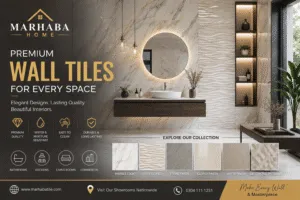
When it comes to creating an interior that looks refined, practical, and built to last, the right wall finish can make a remarkable difference. Walls occupy a large visual area in almost every room, so their color, texture, pattern, and material have a direct influence on the overall character of a space. This is where wall tiles offer a strong combination of beauty, durability, and easy maintenance.
At Marhaba Home, wall tiles are more than a decorative surface. They are an important part of modern interior design, helping homeowners, architects, designers, builders, and commercial property owners create spaces that remain attractive while handling everyday use. From elegant marble-inspired surfaces to contemporary textures, glossy finishes, subtle patterns, and modern statement designs, the right tile can completely change the atmosphere of an interior.
Whether you are renovating a kitchen, upgrading a bathroom, designing a living room feature wall, or finishing a commercial space, selecting suitable wall tiles requires more than simply choosing a color you like. The material, size, finish, maintenance requirements, lighting, room function, and overall design should work together.
Why Wall Tiles Matter in Modern Interior Design
A wall is not simply a structural part of a room. It is also one of the largest opportunities for introducing visual character. Paint can provide color, wallpaper can introduce patterns, and decorative panels can create texture, but tiles offer an additional advantage: they can combine visual appeal with a durable, practical surface.
Modern wall tiles are available in a wide range of styles, allowing designers to create anything from a calm minimalist environment to a dramatic luxury interior.
The right wall tile can:
- Create a sophisticated focal point
- Make a room feel brighter and more spacious
- Add texture and visual depth
- Complement furniture and architectural elements
- Provide a practical surface in moisture-prone areas
- Make cleaning and routine maintenance easier
- Give ordinary walls a more premium appearance
- Support a consistent design theme throughout a property
For this reason, wall tiles have become an increasingly important choice for contemporary residential and commercial interiors.
Marhaba Home Wall Tiles for Different Spaces
One of the biggest advantages of choosing from a versatile collection is the ability to match the tile with the purpose of the room. A bathroom has different requirements from a living room, while a commercial reception area may require a completely different visual approach.
Wall Tiles for Bathrooms
Bathrooms are among the most natural applications for wall tiles. They are exposed to water, humidity, soap, cleaning products, and frequent use, making the selection of an appropriate wall surface particularly important.
For a modern bathroom, marble-inspired wall tiles can create a luxurious appearance without making the room visually overwhelming. Light-colored tiles can help a compact bathroom appear more open, while darker shades can produce a sophisticated and dramatic atmosphere.
Large-format designs can also reduce the number of visible grout lines, creating a cleaner and more continuous appearance.
When selecting bathroom wall tiles, consider:
- Moisture exposure
- Ease of cleaning
- Surface finish
- Tile size
- Grout color
- Bathroom lighting
- Existing floor tiles and sanitary fittings
The objective should be to create a bathroom where practical performance and visual design work together.
Wall Tiles for Kitchens
Kitchen walls experience a different type of daily activity. Cooking can result in splashes, stains, grease, and moisture, especially around countertops, sinks, and cooking areas.
Wall tiles can provide a practical surface while also becoming an important part of the kitchen’s overall design.
A marble-inspired design can complement modern cabinets and countertops, while subtle textured tiles can add dimension to a minimalist kitchen. Glossy surfaces can help reflect light, making certain areas feel brighter, while matte finishes can provide a softer contemporary appearance.
For kitchen applications, think about how the wall tile will interact with:
- Cabinet colors
- Countertop materials
- Kitchen appliances
- Natural and artificial lighting
- Flooring
- Hardware and fixtures
A successful kitchen design does not treat the backsplash or tiled wall as an isolated element. Instead, it connects the wall surface with the rest of the interior.
Creating Feature Walls with Wall Tiles
Feature walls are one of the most effective ways to use decorative wall tiles without covering every wall in the same design.
Instead of using one uniform surface throughout a room, you can select a distinctive tile for a particular wall and keep the surrounding surfaces more understated.
Feature walls work especially well behind:
- Television units
- Beds and headboards
- Sofas
- Reception desks
- Dining areas
- Bathroom vanities
- Entrance areas
- Fireplace surrounds
A textured or three-dimensional tile can immediately draw attention to a selected wall. This approach is particularly useful when you want a strong design statement without making the entire room feel busy.
Marble-Inspired Wall Tiles for Timeless Elegance
Marble has long been associated with luxury and sophisticated architecture. However, modern marble-inspired wall tiles allow designers to achieve a similar visual character while offering greater flexibility in contemporary interiors.
Depending on the design, marble-inspired tiles can feature delicate veining, dramatic patterns, neutral backgrounds, or high-contrast details.
They can work particularly well in:
- Luxury bathrooms
- Modern kitchens
- Hotel interiors
- Reception areas
- Living rooms
- Feature walls
- Retail spaces
White and light marble-inspired designs can create an airy appearance, while darker designs can add depth and drama.
The key is to avoid choosing a design solely because it looks impressive in a showroom. Consider the size of the room, lighting conditions, furniture, and other surfaces before making a final decision.
Textured Wall Tiles for Visual Depth
Flat surfaces are not the only option in modern design. Textured wall tiles can introduce depth and movement to an interior.
Three-dimensional and textured designs can be especially effective when lighting is directed across the surface. Natural or artificial light can create subtle shadows that make the wall appear more dynamic.
Textured tiles can be used to emphasize architectural areas such as:
- Entrance walls
- TV walls
- Dining walls
- Bedroom feature walls
- Reception areas
- Restaurant interiors
- Retail displays
However, texture should be used strategically. Covering every wall with a highly detailed pattern can make a room feel visually crowded. In many cases, one carefully selected feature wall produces a stronger result.
Glossy vs. Matte Wall Tiles
The finish of a tile influences both its appearance and how it interacts with light.
Glossy Finish
Glossy wall tiles reflect light and can make certain spaces appear brighter. They are often suitable for contemporary kitchens, bathrooms, and decorative feature walls.
Their reflective quality can help enhance artificial and natural lighting, particularly in rooms with limited daylight.
Matte Finish
Matte wall tiles provide a softer and more understated appearance. They can work particularly well in modern minimalist interiors where the goal is to create a calm and sophisticated atmosphere.
Matte surfaces can also reduce the strong reflections associated with highly polished finishes.
Neither finish is universally better. The right choice depends on the room, lighting, design concept, and maintenance expectations.
Choosing the Right Wall Tile Size
Tile size has a significant effect on the appearance of a room.
Large-format wall tiles can create a contemporary, seamless visual effect by reducing the number of grout joints. They can be particularly effective in spacious bathrooms, living areas, commercial interiors, and feature walls.
Smaller tiles, on the other hand, can provide more pattern flexibility and may be useful for decorative applications or areas where detailed layouts are desired.
When choosing a size, consider:
- The dimensions of the wall
- The height and width of the room
- The location of doors and windows
- The position of fixtures
- The desired number of grout lines
- Installation requirements
- The overall design style
A tile that looks excellent in a large showroom may produce a completely different effect in a small bathroom, so scale should always be considered.
How Wall Tiles Influence Room Size
Color, pattern, size, and finish can all influence how spacious a room feels.
Light-colored wall tiles can reflect more light and contribute to an open visual impression. Large-format tiles may also make a room feel more continuous because there are fewer grout lines interrupting the surface.
For smaller rooms, designers often prefer:
- Light neutral colors
- Larger tile formats
- Simple patterns
- Consistent grout colors
- Reflective finishes where appropriate
For larger rooms, there is greater freedom to experiment with darker tones, stronger patterns, textured surfaces, and contrasting materials.
Coordinating Wall Tiles with Floor Tiles
A common mistake is selecting wall tiles and floor tiles independently.
Although they do not have to match exactly, they should complement one another.
For example, a patterned wall tile can be balanced with a relatively simple floor. Alternatively, a neutral wall can provide the perfect background for a more expressive floor design.
A coordinated interior may use:
- Similar tones with different patterns
- Contrasting colors
- One dominant material with one supporting material
- Matching textures
- Different tile sizes within the same color family
The goal is visual balance rather than repetition.
Wall Tiles and Interior Lighting
Lighting can dramatically change how a tile appears.
A tile viewed under bright showroom lighting may look different when installed under warm residential lighting. Similarly, natural daylight can reveal color variations and surface textures that may not be obvious indoors.
Before selecting a tile, consider:
- Direction of natural light
- Warm or cool artificial lighting
- Shadows created by architectural features
- Reflective surfaces nearby
- Room orientation
- Time of day when the room is most frequently used
Glossy tiles can reflect light across a space, while textured surfaces can create shadows that emphasize their pattern.
This is why tile selection should be evaluated as part of the complete interior rather than as an isolated product choice.
Practical Benefits of Wall Tiles
Aesthetics are important, but practical performance is equally valuable.
Quality wall tiles can provide a durable surface that is easier to maintain than many conventional wall finishes. In kitchens and bathrooms, this can be particularly beneficial because the wall may regularly encounter moisture and splashes.
Other advantages can include:
- Easy routine cleaning
- Resistance to everyday wear
- Long-lasting appearance
- Wide design flexibility
- Compatibility with modern interiors
- Reduced need for frequent repainting
- Strong visual consistency
However, proper installation remains essential. Even a high-quality tile requires suitable preparation, adhesive, spacing, leveling, and grout work to achieve the expected result.
Selecting Wall Tiles for Commercial Interiors
Wall tiles are not limited to homes. They can play an important role in commercial environments where appearance and durability both matter.
Suitable applications can include:
- Hotels
- Restaurants
- Cafés
- Offices
- Retail stores
- Salons
- Showrooms
- Reception areas
- Healthcare and service environments
Commercial spaces often require a design that remains attractive under frequent use. A carefully selected tile can help create a professional environment while reducing the visual maintenance associated with some painted surfaces.
For businesses, the design should also support the brand identity. A luxury hotel may benefit from sophisticated marble-inspired surfaces, while a contemporary retail space might use geometric or textured wall tiles to create a stronger visual identity.
Wall Tiles for Modern Pakistani Homes
Interior preferences in Pakistan are changing rapidly. Homeowners are increasingly interested in modern materials, contemporary layouts, larger tile formats, elegant neutral colors, and sophisticated textures.
Wall tiles can work particularly well with architectural styles commonly seen in Pakistani homes, including:
- Modern minimalist homes
- Contemporary houses
- Luxury villas
- Apartment interiors
- Traditional-modern combinations
- Commercial properties
Climate and lifestyle should also be considered when selecting materials. Areas exposed to moisture, dust, frequent cleaning, and heavy household activity require practical finishes in addition to attractive designs.
How to Choose the Best Wall Tiles
Choosing the best wall tiles is not simply about selecting the most expensive or visually striking option.
Start by identifying the purpose of the room.
Step 1: Define the space
Determine whether the tile will be used in a bathroom, kitchen, living room, bedroom, entrance, or commercial environment.
Step 2: Establish your design direction
Decide whether the space should feel luxurious, minimalist, warm, contemporary, traditional, or dramatic.
Step 3: Consider the room size
A small room may benefit from lighter colors and visually simple designs, while larger spaces can accommodate stronger patterns.
Step 4: Evaluate lighting
Check how the selected tile looks under the actual lighting conditions of the property.
Step 5: Coordinate materials
Compare the tile with flooring, cabinets, countertops, furniture, sanitary fittings, and other surfaces.
Step 6: Consider maintenance
Select a surface that suits how frequently the room is cleaned and how heavily it will be used.
Step 7: Plan installation
Confirm measurements, tile quantity, layout, adhesive requirements, grout selection, and wastage before purchasing.
This process helps avoid expensive design mistakes and creates a more cohesive finished interior.
Why Tile Layout Matters
Even a beautiful tile can look ordinary if the layout is poorly planned.
The direction of the tiles, grout alignment, cutting around corners, placement of borders, and relationship with doors and fixtures can significantly influence the final result.
For large-format wall tiles, accurate installation becomes particularly important because uneven surfaces and poor alignment can be more noticeable.
A professional installer should carefully plan:
- Starting points
- Vertical and horizontal alignment
- Corner cuts
- Electrical outlets
- Plumbing fixtures
- Door and window openings
- Grout spacing
- Symmetry around focal areas
Good installation allows the design of the tile itself to remain the visual focus.
Maintaining Wall Tiles
One of the benefits of a well-selected tiled surface is relatively straightforward routine maintenance.
Regular cleaning helps prevent the accumulation of dust, grease, soap residue, and other contaminants.
For everyday care:
- Clean surfaces regularly
- Use cleaning products appropriate for the tile finish
- Avoid unnecessarily abrasive methods
- Address spills and stains promptly
- Keep grout lines clean
- Follow manufacturer recommendations
- Inspect damaged grout or tiles and repair them when necessary
The maintenance routine should always match the specific tile material and finish.
Common Mistakes to Avoid
Several mistakes can reduce the impact of an otherwise good tile selection.
Choosing Only by Appearance
A tile may look beautiful but may not be appropriate for the intended environment. Function should always be considered alongside aesthetics.
Ignoring Room Lighting
Colors and finishes can appear different under natural and artificial light.
Using Too Many Patterns
Combining multiple highly detailed surfaces can make an interior feel cluttered.
Forgetting Grout Color
Grout can either blend into the tile or create a strong visual grid. It should be selected intentionally.
Buying Without Accurate Measurements
Incorrect measurements can lead to shortages, unnecessary waste, or delays during installation.
Neglecting Installation Quality
Poor alignment, uneven surfaces, and inconsistent grout joints can undermine the appearance of premium tiles.
Building a Cohesive Interior with Marhaba Home
A successful interior does not require every wall to have the same tile. Instead, different surfaces can work together to create hierarchy and balance.
For example, a bathroom could combine a subtle neutral tile on most walls with a marble-inspired feature wall behind the vanity. A kitchen could use a textured backsplash alongside simple cabinetry and a complementary floor.
In a living room, a statement wall could become the central architectural feature while the remaining walls stay understated.
This approach gives homeowners greater flexibility while maintaining a professional design language.
The Long-Term Value of Choosing Quality Wall Tiles
Interior design trends change, but quality materials can continue to provide value long after a particular trend has passed.
A thoughtfully selected wall tile should work with the room today while remaining adaptable enough for future furniture, lighting, or décor changes.
Neutral foundations with carefully selected feature surfaces can offer particularly strong long-term flexibility.
Instead of choosing a design simply because it is currently popular, consider whether you will still appreciate it several years from now.
Final Thoughts
Wall tiles have evolved far beyond their traditional role as simple protective surfaces. Today, they are a major component of interior architecture, offering designers and homeowners opportunities to combine durability, functionality, texture, color, and visual sophistication.
Marhaba Home provides a versatile approach to modern wall design, with options ranging from marble-inspired surfaces and contemporary textures to refined matte and glossy finishes. Whether the goal is a luxurious bathroom, a practical kitchen, an elegant living room feature wall, or a professional commercial interior, the right tile can transform an ordinary surface into an important design element.
The best results come from considering the entire space rather than choosing a tile in isolation. Room size, lighting, furniture, flooring, functionality, maintenance, installation, and personal style should all contribute to the final decision.
With careful planning and quality materials, wall tiles can provide more than an attractive finish—they can help create interiors that feel cohesive, functional, durable, and genuinely distinctive. For homeowners, architects, designers, and builders looking to bring a refined character to modern spaces, Marhaba Home offers a foundation for turning walls into a meaningful part of the overall design.